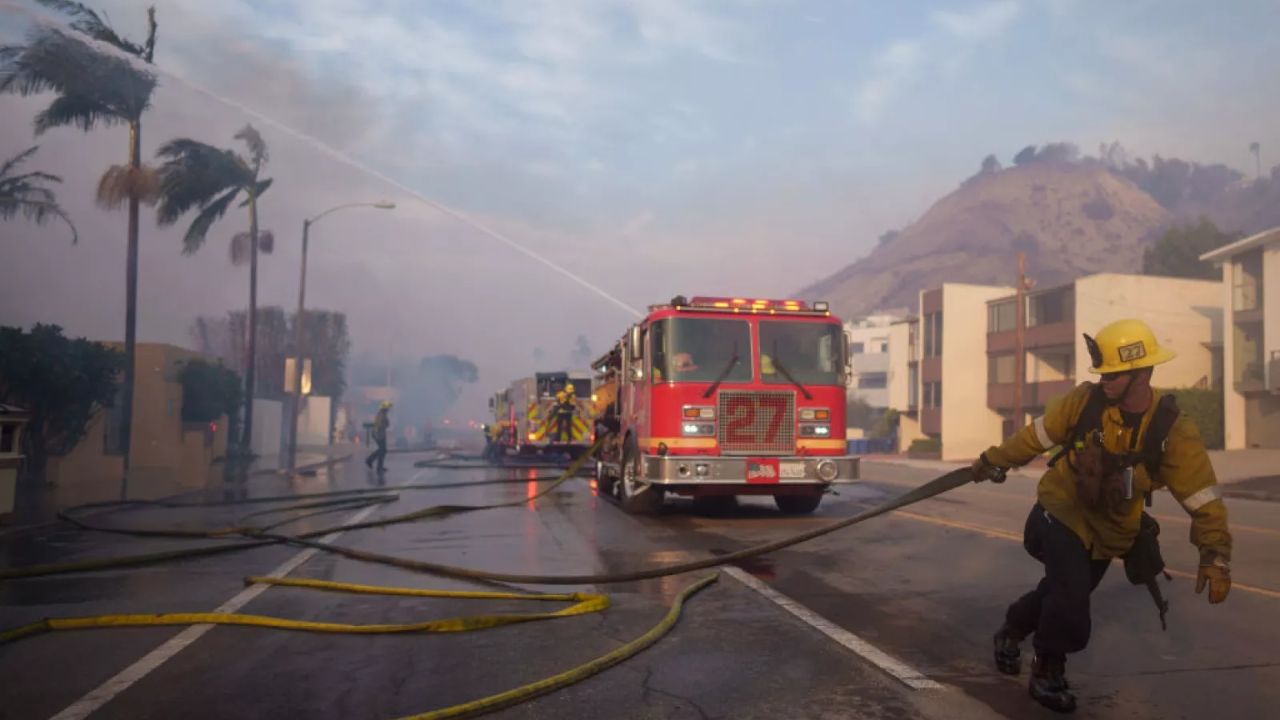
San Francisco, California — Northern California is heading into a period of dangerous fire weather and intense heat, prompting forecasters to issue a Red Flag Warning for parts of the Bay Area and surrounding regions as wildfire risks increase across the state.
The National Weather Service announced that the warning will begin at 11 p.m. Wednesday and remain in effect through Thursday morning for portions of the East Bay hills and North Bay interior mountains. Officials say a combination of hot temperatures, dry air, strong winds, and fire-prone vegetation could create conditions favorable for rapid wildfire growth.
Red Flag Warning Covers Multiple Counties
The warning includes parts of Alameda, Contra Costa, Lake, Napa, Sonoma, and Solano counties, as well as portions of the northern Sacramento Valley.
Additional counties affected by the warning include Butte, Colusa, Glenn, Shasta, Sutter, Tehama, Yolo, and Yuba counties, where fire officials are closely monitoring weather conditions.
According to meteorologists, winds are expected to strengthen overnight, particularly in higher elevations. Gusts could exceed 40 mph in many areas, while some exposed ridge tops may experience gusts approaching 60 mph.
These strong winds, combined with dry vegetation and low humidity levels, significantly increase the risk of fast-moving wildfires.
PG&E Warns of Possible Power Shutoffs
Because of the elevated fire danger, Pacific Gas and Electric (PG&E) warned customers that public safety power shutoffs could occur in several Northern California communities.
Utility companies often implement temporary power outages during extreme fire weather events to reduce the possibility of electrical equipment sparking new wildfires.
Residents in potentially affected areas are being encouraged to prepare for possible outages by charging electronic devices, gathering emergency supplies, and staying informed through local alerts.
The Red Flag Warning is currently expected to expire at 9 a.m. Thursday, though officials will continue monitoring conditions.
Heat Advisory Issued as Temperatures Rise
In addition to wildfire concerns, much of Northern California is expected to experience a prolonged stretch of unusually hot weather through at least Saturday.
The National Weather Service has issued a Heat Advisory covering portions of the East Bay, San Francisco Bay Shoreline, North Bay interior valleys and mountains, as well as the Santa Clara Valley and Eastern Hills.
Parts of the Central Coast and Central Valley are also included in the advisory, which is scheduled to remain in effect from Thursday afternoon through late Saturday night.
Forecasters say Thursday will likely be the hottest day of the week, with many inland communities reaching or exceeding triple-digit temperatures.
Triple-Digit Highs Expected Inland
Temperature forecasts show a significant contrast across the region.
Severe Storms Set to Slam Northeast After Heat Surge Pushes Temperatures Into the Triple Digits
Coastal communities are expected to remain relatively mild, with highs generally ranging from the low 70s to mid-80s. Areas around the San Francisco Bay could see temperatures climb into the mid-80s to mid-90s.
Further inland, however, conditions are expected to become much more intense. Many inland locations could see temperatures between 90 and 103 degrees, creating potentially hazardous conditions for outdoor activities.
Along the Central Coast, coastal areas are forecast to remain in the 60s and 70s, while inland portions of Monterey and San Luis Obispo counties could reach highs as high as 105 degrees.
Residents Urged to Stay Alert
With wildfire danger increasing and extreme heat expected across much of the region, officials are encouraging residents to remain cautious throughout the week.
Experts recommend avoiding activities that could spark fires, limiting strenuous outdoor activity during peak heat hours, staying hydrated, and monitoring local weather alerts for any updates or emergency notifications.
The combination of powerful winds, dry vegetation, and soaring temperatures has created a challenging stretch of weather that could test communities across Northern California over the coming days.
Do you think California should expand wildfire prevention measures during extreme weather events like this? Share your thoughts and experiences respectfully in the comments below.