
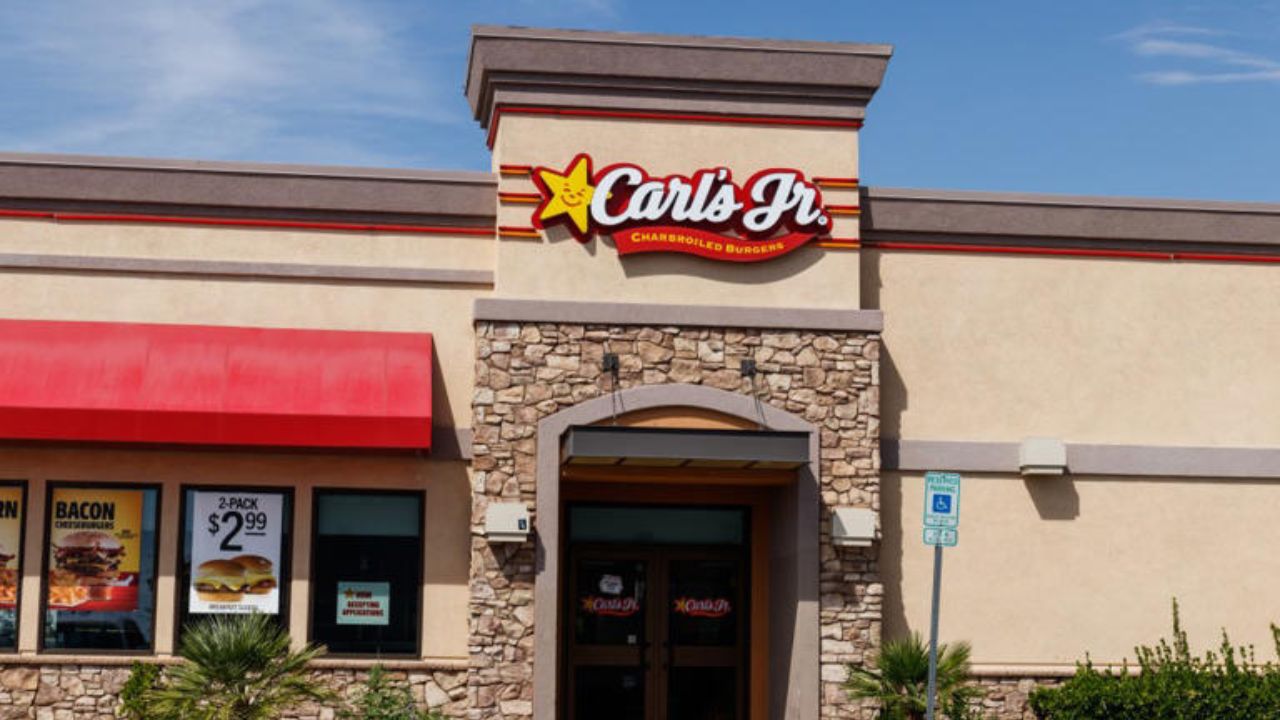
California — A major Carl’s Jr. franchise operator is seeking bankruptcy protection and putting dozens of restaurant locations up for sale, citing mounting financial pressures that company leaders say were worsened by California’s higher minimum wage requirements.
The move could affect 49 Carl’s Jr. restaurants across California, making it one of the most significant fast-food franchise restructurings in the state in recent years.
Franchise Operator Files for Chapter 11 Bankruptcy
According to court filings, franchisee Sun Gir Inc. has filed for Chapter 11 bankruptcy protection and is seeking to sell dozens of locations as part of its restructuring efforts.
The company is reportedly leading the bankruptcy proceedings on behalf of affiliated entities and intends to market 49 California restaurants for sale.
Despite the filing, operations are expected to continue while the company works through the bankruptcy process.
Court records indicate the operator plans to use available cash collateral to continue paying employees, rent obligations, insurance costs and franchise-related expenses during the proceedings.
Company Blames Rising Labor Costs
The company’s leadership pointed directly to California’s $20 minimum wage requirement for fast-food workers, which took effect in 2024.
Friendly Franchisees Corporation CEO and Founder Harshad Dharod said the wage increase significantly increased the company’s expenses.
According to reports, Dharod stated the law “materially increased operating expenses” while also pointing to “reduced marketing effectiveness” and a “lack of innovation at the franchisor level.”
The company argued that rising labor costs placed additional strain on already challenging business conditions.
Financial Challenges Continue to Mount
Court filings reveal that Sun Gir experienced ongoing financial difficulties that extended beyond labor expenses. The company cited “significant ongoing operating expenses” and reported being in default under several franchise agreements.
The filing also referenced a “failure to timely pay rent, royalties and other required charges,” which further complicated the company’s financial situation.
Despite the challenges, the franchise operator noted on its website that it historically generated profits and sales “far above the brand average.”
However, those past successes were apparently not enough to overcome the mounting financial pressures facing the business.
Nearly 1,000 Employees Affected
One of the major concerns surrounding the bankruptcy filing involves the company’s workforce.
According to reports, approximately 1,000 employees currently work across the affected restaurant locations.
The company has stated that it intends to continue paying workers throughout the restructuring process and will maintain obligations related to rent, insurance and franchise agreements.
At this stage, it remains unclear whether any of the restaurants will ultimately close or whether new buyers will acquire and continue operating the locations.
Debate Over California’s Minimum Wage Continues
The bankruptcy filing arrives as debate continues over the economic impact of California’s fast-food wage law.
Supporters argue higher wages help workers keep pace with rising living costs, while critics contend the law places significant pressure on restaurant operators.
Health Warning Issued for Popular Florida Beaches After Dangerous Bacteria Found in Water
A study published by the National Bureau of Economic Research (NBER) found that California’s fast-food sector experienced job losses following implementation of the wage increase.
Researchers reported that the policy resulted in approximately 18,000 fewer fast-food jobs, representing a 3.2% decline compared with similar sectors elsewhere in the country.
“Our median estimate translates into a loss of 18,000 jobs in California’s fast-food sector relative to the counterfactual,” researchers Jeffrey Clemens, Olivia Edwards and Jonathan Meer wrote in their paper.
The future of the 49 Carl’s Jr. locations remains uncertain as bankruptcy proceedings continue and potential buyers evaluate the restaurants.
Do you think California’s $20 fast-food minimum wage is helping workers or creating challenges for businesses? Share your thoughts respectfully in the comments below.