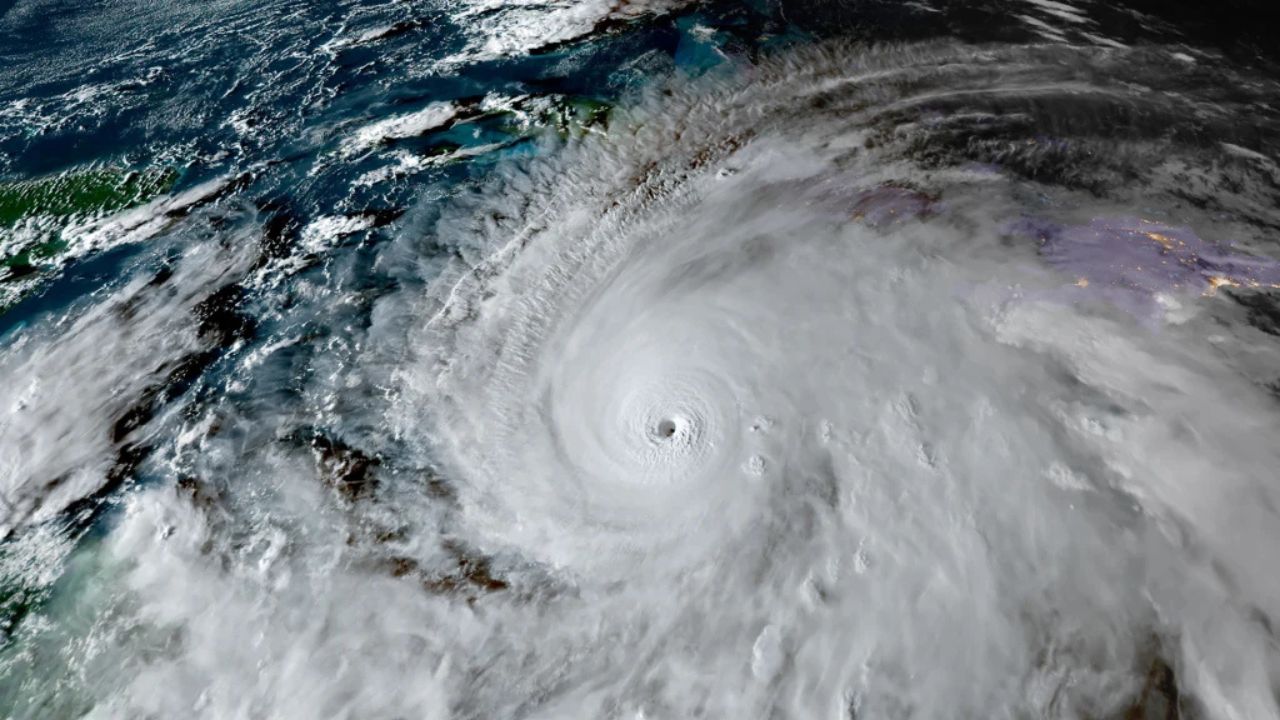
Washington, D.C. — The 2026 Atlantic hurricane season officially began Monday, and for the first time in more than a decade, forecasters are predicting a quieter-than-normal year.
While the forecast suggests fewer storms may develop in the Atlantic, weather experts are cautioning residents not to become complacent, warning that a single powerful hurricane can still cause catastrophic damage.
NOAA Predicts Below-Average Atlantic Hurricane Season
According to the National Oceanic and Atmospheric Administration (NOAA), the Atlantic basin is expected to produce between three and six hurricanes during the 2026 season.
Forecasters also predict between eight and 14 named tropical storms, a figure lower than what is typically expected during an average hurricane season.
A storm officially becomes a hurricane once sustained winds reach 74 mph.
While the overall number of storms is expected to be lower, NOAA emphasized that the forecast does not indicate where storms may travel or whether any will make landfall in the United States.
Experts Warn It Only Takes One Storm
Weather officials stressed that fewer storms do not necessarily mean lower risk for coastal communities.
“It just takes one,” National Weather Service Director Ken Graham said while discussing the seasonal outlook.
Graham pointed to Hurricane Andrew in 1992, one of the most destructive and expensive hurricanes in U.S. history, which occurred during a season that produced fewer tropical storms than average.
“Even in a below-average season, even if you have fewer storms, they could be big ones,” Graham said.
The warning serves as a reminder that preparedness remains critical regardless of seasonal forecasts.
El Niño Expected to Play Major Role
Meteorologists say the primary reason for the reduced Atlantic hurricane outlook is the anticipated development of a strong El Niño pattern.
El Niño is a naturally occurring climate cycle characterized by warmer-than-normal ocean temperatures in the tropical Pacific Ocean.
The phenomenon influences hurricane development through changes in vertical wind shear, which refers to differences in wind speed and direction at various levels of the atmosphere.
Hurricanes generally strengthen when wind shear remains low because it allows storms to maintain organized circulation.
However, El Niño often increases wind shear across the Atlantic basin, making it more difficult for tropical systems to organize and intensify into hurricanes.
June Forecast Brings Unexpected Twist as Tornado Activity Collapses Across the U.S.
Pacific Ocean Expected to Be Much Busier
While El Niño suppresses Atlantic storm development, the opposite effect often occurs in the Pacific Ocean.
NOAA Administrator Neil Jacobs explained that El Niño reduces wind shear in the Pacific, creating more favorable conditions for hurricane formation.
“In the central and eastern Pacific, the El Niño reduces the vertical wind shear, essentially the opposite of the Atlantic, which is why we’re expecting an above-average season,” Jacobs said.
Forecasters are predicting between nine and 14 hurricanes in the Pacific this season. Although Pacific hurricanes rarely make direct landfall in the continental United States, they can still produce significant weather impacts.
El Niño Could Bring Other Weather Concerns
Beyond hurricane activity, El Niño can influence weather patterns across much of the United States.
NOAA estimates there is an 82% chance El Niño conditions will officially develop by July and a 96% chance they will continue through the winter months.
The climate pattern can contribute to hotter temperatures, drought concerns in parts of the Pacific Northwest and shifts in seasonal rainfall patterns across the Southwest.
Officials also noted that Pacific storms have previously caused major impacts far from their centers. Events such as Hurricane Hilary and Hurricane Dora demonstrated how tropical systems can contribute to flooding, dangerous winds and wildfire conditions.
As hurricane season gets underway, experts continue encouraging residents in vulnerable areas to review emergency plans and remain prepared, regardless of how many storms are forecast.
Do you think a below-average hurricane season will reduce risks, or does one major storm remain the biggest concern? Share your thoughts respectfully in the comments below.