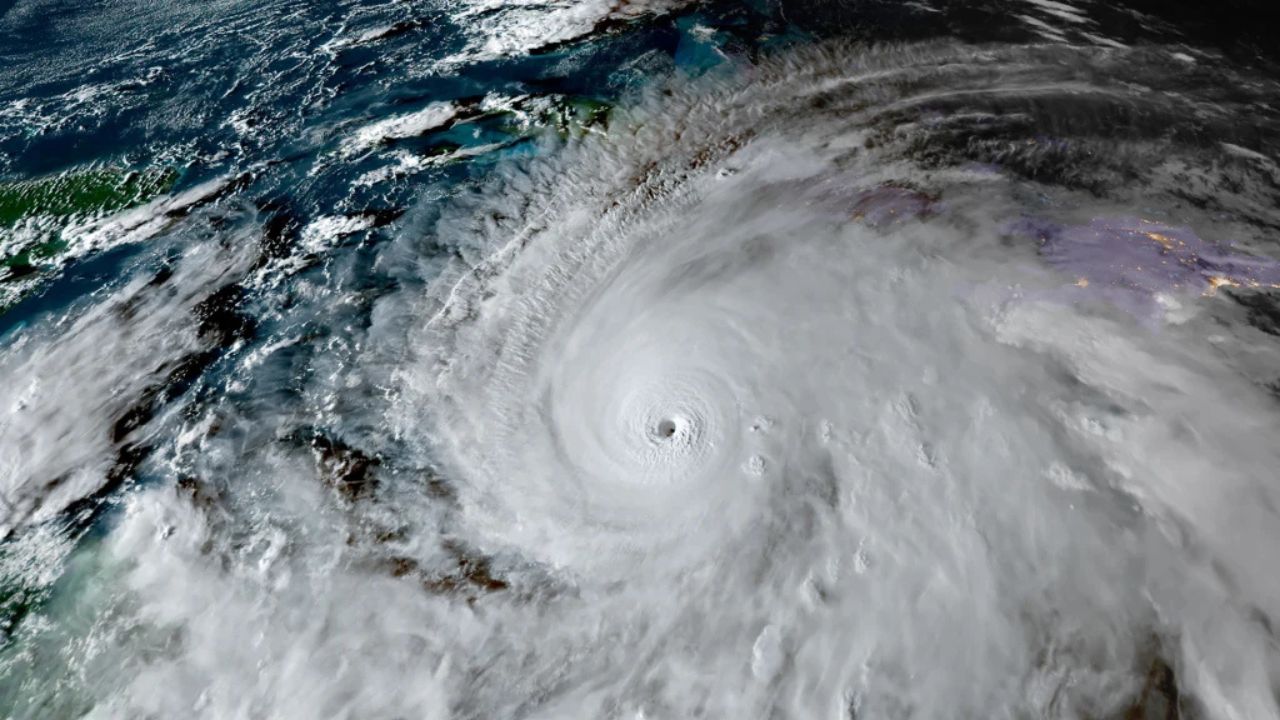
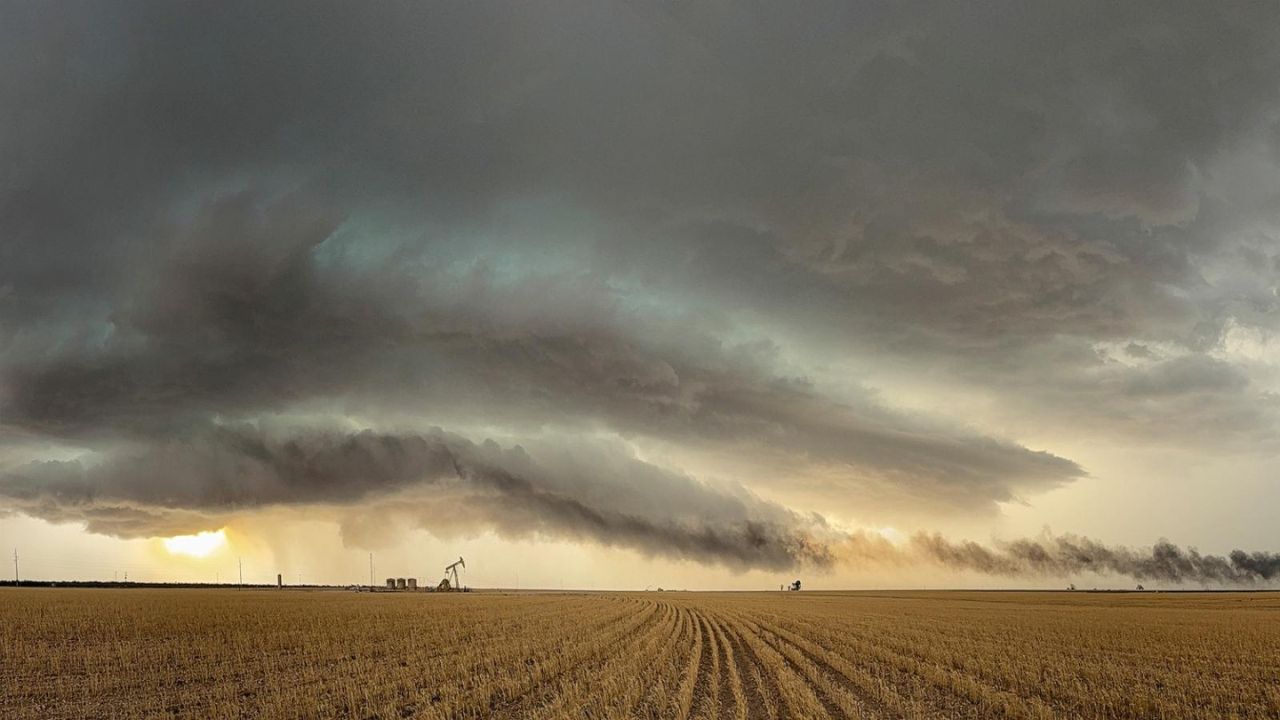
Chicago, Illinois — A widespread and potentially dangerous severe weather outbreak is unfolding across the central United States, with forecasters warning that millions of Americans could face multiple days of hazardous conditions.
The threat is expected to expand significantly through the middle of the week as powerful storm systems move from the Plains into the Midwest and eventually toward the East Coast.
Meteorologists warn that conditions are favorable for all forms of severe weather, including damaging wind gusts, tornadoes, large hail, and flash flooding, with storms capable of developing both during the day and overnight.
Severe Weather Threat Expands Across the Midwest
After impacting parts of the Plains, the severe weather threat is expected to push eastward on Wednesday and continue through the overnight hours. Forecasters say a broad area stretching from southwestern Ontario to south-central Kansas could experience severe thunderstorms.
The greatest concern is centered across Wisconsin, Minnesota, northern Illinois, eastern Iowa, and portions of Michigan’s Upper Peninsula. Residents in these regions should prepare for rapidly changing weather conditions and possible travel disruptions.
Several major metropolitan areas are in the potential impact zone, including:
- Minneapolis, Minnesota
- Chicago, Illinois
- Milwaukee, Wisconsin
- Kansas City, Missouri
- Des Moines, Iowa
Air travelers could also experience delays as thunderstorms develop near major transportation hubs.
Chicago and Milwaukee Face Elevated Risk on Thursday
The storm system is forecast to continue shifting east and south on Thursday, bringing another round of dangerous weather across a large section of the country.
The most significant threat is expected from eastern Kansas through northern Illinois and into western Michigan, where forecasters anticipate numerous severe thunderstorms capable of producing destructive wind gusts and other hazardous conditions.
A particularly concerning zone includes Chicago and Milwaukee, both of which are expected to experience one of the highest levels of severe weather risk during the outbreak.
Additional cities facing potential impacts include:
- Detroit, Michigan
- Indianapolis, Indiana
- St. Louis, Missouri
- Tulsa, Oklahoma
- Wichita, Kansas
Residents are encouraged to monitor forecasts closely and ensure they have multiple ways to receive weather warnings.
Northeast Also Faces Strong Storms
While the Midwest remains the primary focus, a separate area of severe weather is expected to develop farther east.
On Wednesday, strong thunderstorms could affect areas along the Interstate 81 corridor and portions of the I-95 corridor from Baltimore, Maryland, to near Raleigh, North Carolina. The main threats are expected to be torrential rainfall and strong wind gusts.
By Thursday, storm activity could spread into parts of southern New Hampshire, eastern Massachusetts, and northern North Carolina, bringing another risk of heavy downpours and localized wind damage.
Friday Threat Continues Across the East
The same weather system responsible for severe storms in the Midwest is expected to push farther east on Friday.
50 Million Americans at Risk: Powerful Storms, Damaging Winds, and Record Heat Set to Slam Northeast
Forecasters say parts of the Ohio Valley, Great Lakes region, and the Appalachians could see another round of strong to severe thunderstorms. Along with intense rainfall and gusty winds, some storms may also generate hail.
The repeated rounds of rain could increase the risk of localized flooding in areas that receive multiple storms over several days.
Plains Could See Another Round This Weekend
The active weather pattern is not expected to end with Friday’s storms.
Forecast models indicate that severe weather could redevelop across portions of the Plains on Saturday. Although storms may not be as widespread or intense as those expected earlier in the week, areas of Kansas, Iowa, Nebraska, Missouri, and northern Oklahoma remain under the threat of severe thunderstorms.
Weather officials recommend staying informed as forecasts may change and storm tracks become more defined over the coming days.
Do you live in an area expected to be impacted by these storms? How are you preparing for the severe weather threat? Share your thoughts and experiences in the comments below and join the conversation respectfully.