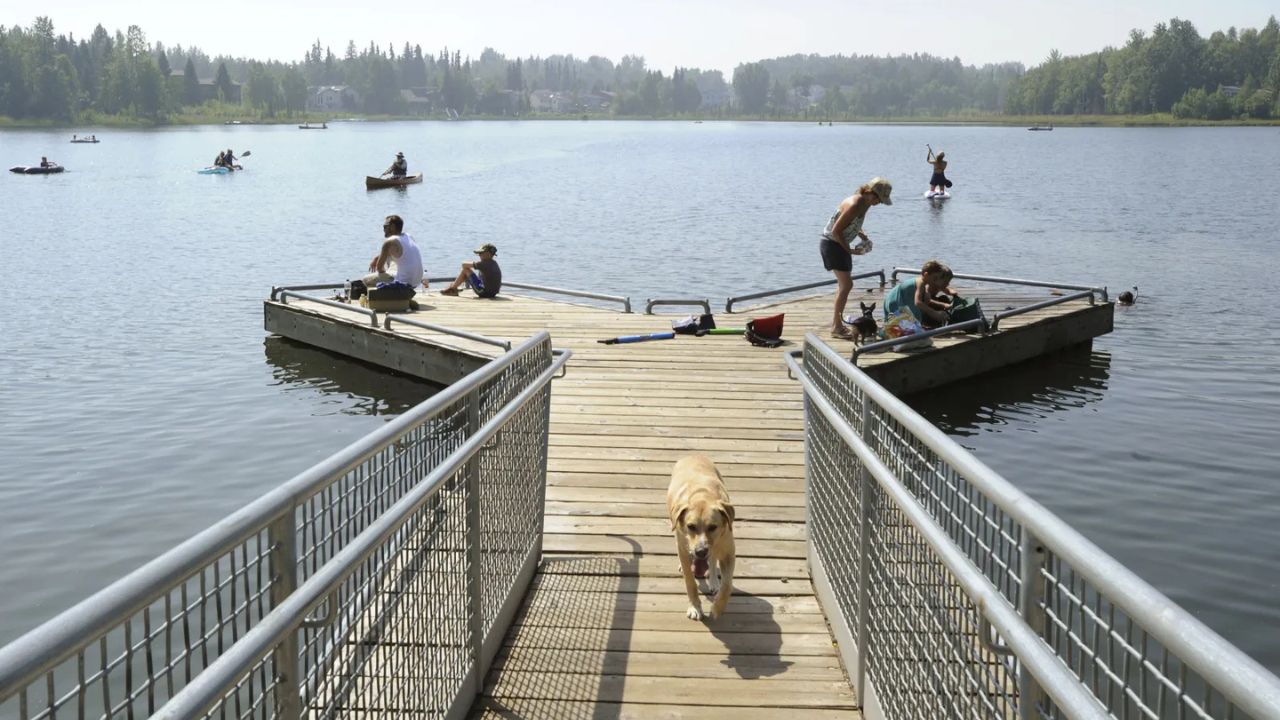
Juneau, Alaska — An unusual burst of early summer heat has prompted meteorologists to issue a rare heat advisory for parts of southern Alaska, marking the earliest such warning since the National Weather Service introduced the advisory system for the region.
Forecasters say temperatures could climb far above seasonal averages, creating potential health risks for residents who are not accustomed to prolonged warm weather.
Earliest Heat Advisory Issued for Region
The National Weather Service (NWS) office in Juneau has issued a heat advisory covering Prince of Wales Island, the Ketchikan Gateway Borough and the City of Hyder.
The advisory is scheduled to remain in effect from 10 a.m. to 8 p.m. AKDT Tuesday.
Meteorologists expect temperatures in some inland areas to reach 80 to 85 degrees Fahrenheit, levels considered highly unusual for Southeast Alaska.
According to NWS lead meteorologist Daniel Slagle, this marks the earliest heat advisory issued by the Juneau office since the advisory program was officially established in 2025.
Temperatures Far Above Seasonal Norms
Weather experts say the expected temperatures are significantly warmer than what residents typically experience at this time of year.
“Individuals not accustomed to these unusually hot temperatures for this region may experience heat related illnesses,” officials warned.
Slagle noted that average high temperatures during this period are generally closer to 60 degrees Fahrenheit, making this week’s forecast particularly noteworthy.
He explained that a ridge of high pressure is currently parked over southern Alaska.
“Bringing in plenty of sunshine” for the region, which is currently “in between storm systems,” Slagle said.
The weather pattern is allowing temperatures to climb much higher than normal across several communities.
Why Heat Can Be More Dangerous in Alaska
Although temperatures in the 80s may seem moderate compared to many parts of the United States, experts say they can present unique challenges in Alaska.
Many homes throughout the region are designed to retain warmth during long winters and often do not include air conditioning systems.
As a result, indoor temperatures can rise rapidly when outdoor temperatures increase.
Residents also have had little opportunity to acclimate to warmer conditions this early in the season, increasing the risk of heat-related illnesses.
Older adults, young children and individuals without access to cooling resources may face the greatest risks during the advisory period.
Rare but Not Unprecedented Event
While unusual, Alaska has experienced significant heat events before.
Historical weather records show that the all-time high temperature for Southeast Alaska was 98 degrees Fahrenheit, recorded at Haines Airport on July 31, 1976.
Meanwhile, Ketchikan’s all-time record high of 96 degrees was set on June 25, 1913.
Still, temperatures reaching the 80-degree mark remain relatively uncommon in many parts of Southeast Alaska and can occur only occasionally over several years.
Weather Warning: Multi-Day Severe Storm Pattern Could Trigger Flash Flooding and Widespread Damage
Safety Tips for Residents
The National Weather Service is encouraging residents to take precautions as temperatures peak.
Officials recommend staying hydrated, wearing lightweight clothing and limiting strenuous outdoor activities during the hottest parts of the day.
Residents are also encouraged to check on elderly neighbors and vulnerable family members.
To keep homes cooler, experts suggest closing curtains during daylight hours and opening windows overnight when temperatures begin to drop.
Authorities also reminded residents never to leave children or pets unattended inside vehicles.
Cooler Weather Expected Soon
The good news for residents is that the heat is expected to be short-lived.
According to forecasters, the advisory is expected to last only one day, with temperatures falling back into the 60s by Wednesday and cooling even further later in the week.
While brief, the unusual heat event serves as a reminder that even traditionally cool regions can experience weather conditions that pose health and safety risks.
Have you ever experienced unusually hot weather in a place known for cooler temperatures? Share your thoughts and experiences respectfully in the comments below.