
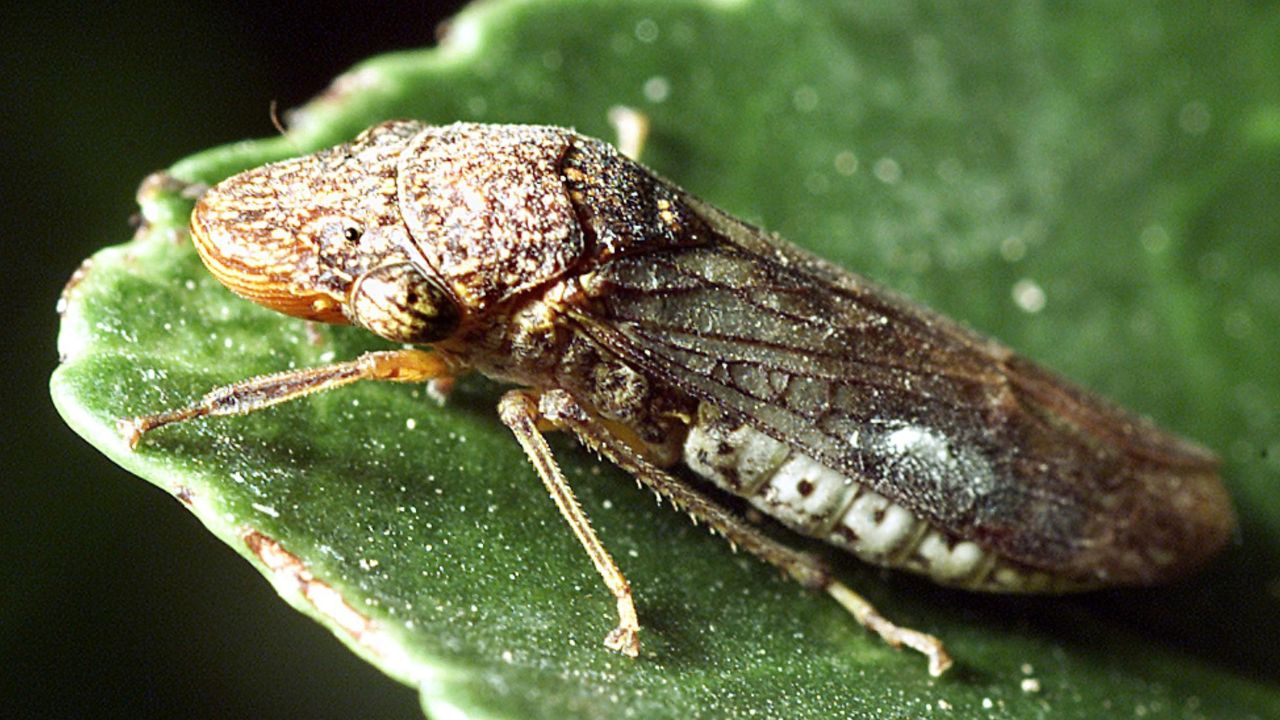
Napa County, California — Agriculture officials are warning California residents after a dangerous invasive insect known for spreading a potentially deadly grapevine disease was discovered on plant shipments delivered to several Costco locations throughout the state’s Wine Country region.
The discovery has prompted an urgent effort to track down affected plants and prevent the pest from spreading to vineyards, orchards and residential gardens.
Invasive Pest Found on Costco Plant Shipments
According to the Napa County Agricultural Commissioner’s Office, inspectors detected glassy-winged sharpshooters on shipments of grapevines and citrus plants delivered from Burchell Nursery, Inc. in Fresno County.
The affected shipments were sent to Costco locations in Napa, Solano, Sonoma and Marin counties between April 21 and May 26.
Officials say the insect poses a major agricultural threat because it spreads Pierce’s disease, a bacterial infection that can be devastating to grapevines.
In addition to vineyards, the pest can also damage citrus trees, almond crops and backyard plants.
Why Officials Are Concerned
The glassy-winged sharpshooter is considered one of the most destructive invasive agricultural pests affecting California crops.
By feeding on plants, the insect can transmit Pierce’s disease, which often proves fatal to infected grapevines and can cause significant economic losses for wine-producing regions.
The discovery is especially concerning because California’s Wine Country relies heavily on healthy vineyards that support local economies, tourism and agricultural production.
Officials are now working to identify and inspect every potentially affected plant sold through Costco stores.
Hundreds of Plants Still Unaccounted For
Authorities revealed that 157 of the 220 grapevines delivered to a Costco Wholesale location in Napa County remain unaccounted for.
Officials believe many of those plants may now be in the possession of customers who purchased them during the affected timeframe.
The exact number of potentially impacted plants sold in neighboring counties has not been released.
As a result, agricultural departments across the region are asking customers to immediately check whether they purchased grapevine or citrus plants from Costco during April or May.
Florida Residents Urged to Prepare as Slow-Moving Storm System Brings Days of Heavy Rain
Customers Urged Not to Move or Dispose of Plants
Officials have issued specific instructions for anyone who purchased the affected plants.
Customers are being told to contact their county agricultural commissioner’s office to arrange an inspection.
The plants should remain in their original containers and be secured in two trash bags, one inside the other, while awaiting guidance from inspectors.
Authorities emphasized that the plants should not be relocated, transported, returned to Costco, thrown away or placed in compost bins.
“Community cooperation is critical right now,” said Solano County Agricultural Commissioner Ed King. “If you recently purchased grapevines or citrus plants from Costco, we are asking you to contact the Agriculture Department immediately so we can safely contain and eliminate this threat.”
Costco Working With Agriculture Officials
Officials said Costco has been cooperating with agricultural agencies throughout the investigation.
“Costco is directly contacting members who purchased plants within the timeframe and has been a cooperative partner with all County Ag Commissioners,” Napa County officials stated.
The glassy-winged sharpshooter was first detected in California in 1994 and is native to parts of the southeastern United States and northeastern Mexico.
Authorities continue working to locate the missing plants and prevent the insect from establishing new populations in vulnerable agricultural areas.
Have you ever encountered invasive pests affecting gardens or crops in your area? Share your thoughts respectfully in the comments below.