
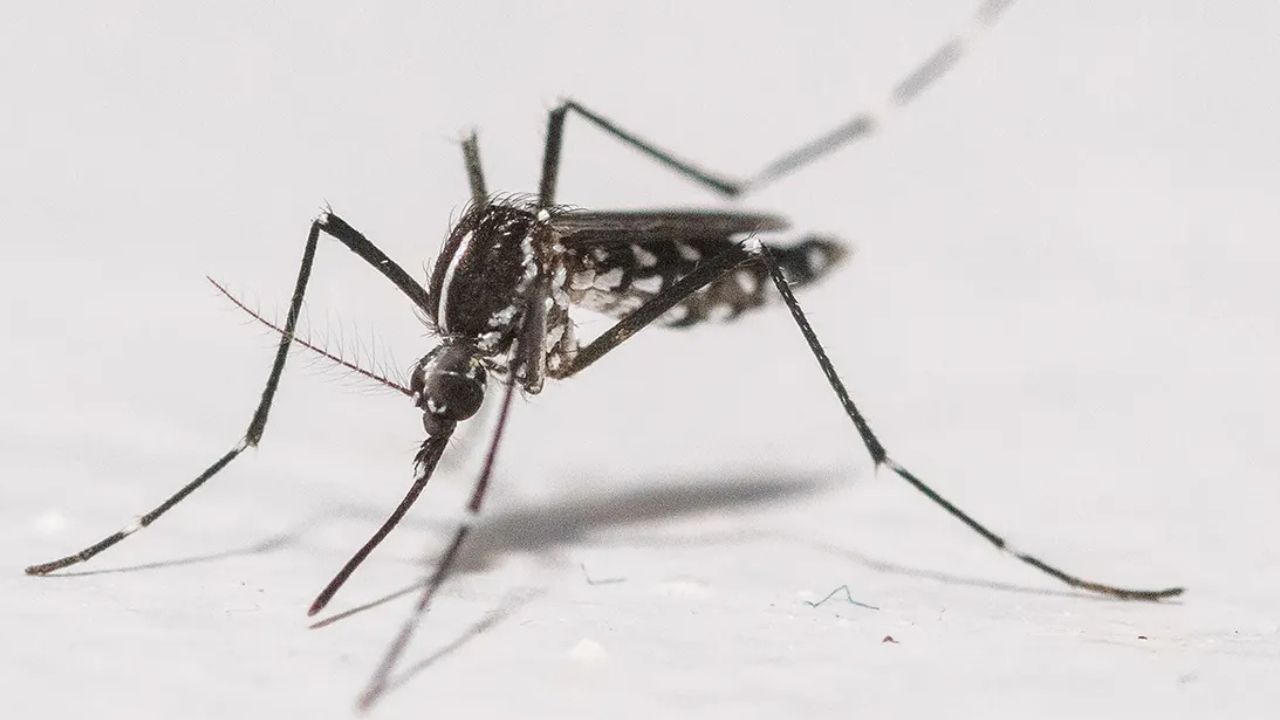
Mountain View, California — A Google-backed initiative is seeking federal approval for an ambitious plan that would release up to 64 million specially bred mosquitoes across California and Florida in an effort to reduce populations of disease-carrying insects.
While the idea of releasing millions more mosquitoes may sound alarming, researchers behind the project say the insects are designed to help eliminate dangerous mosquito populations rather than increase them.
Google-Backed Program Seeks EPA Approval
According to reports, Debug, an initiative supported by Google, has filed a request with the Environmental Protection Agency (EPA) for an experimental use permit.
If approved, the project would allow the organization to release up to 64 million mosquitoes over a two-year period in California and Florida.
Under the proposal, up to 16 million mosquitoes would be released in each state during the first year, followed by another 16 million per state during the second year.
The goal is to target mosquito species known to spread dangerous diseases affecting millions of people worldwide.
How the “Good Mosquitoes” Work
Debug’s strategy relies on releasing male mosquitoes infected with naturally occurring bacteria called Wolbachia.
Importantly, researchers note that male mosquitoes do not bite humans and cannot spread disease.
According to the program, the bacteria prevents successful reproduction when the released males mate with female mosquitoes in the wild.
Over time, this reduces the population of disease-carrying mosquitoes because fewer offspring survive and mature.
The approach has been explored in multiple regions around the world as a way to control mosquito populations without relying solely on pesticides or chemical treatments.
Technology Uses AI and Robots
The mosquito program also incorporates advanced technology to improve efficiency and accuracy.
According to information shared by the World Mosquito Program, Debug has developed an end-to-end system that uses robotics and artificial intelligence to manage mosquito production and releases.
The organization said the system includes robots that raise mosquitoes, AI tools that sort them by sex and surveillance technology that tracks results in the field.
Researchers say automated vehicle-based release methods can be significantly more efficient than traditional manual release programs.
Why Mosquitoes Remain a Major Public Health Threat
Health experts continue to describe mosquitoes as one of the deadliest animals on Earth due to the diseases they spread.
According to the Centers for Disease Control and Prevention, there are more than 3,700 mosquito species worldwide, many of which carry dangerous illnesses.
Mosquitoes are known to spread diseases including malaria, dengue fever, West Nile virus and Zika virus.
Public health officials estimate that malaria alone infects more than 250 million people each year and causes nearly 600,000 deaths globally.
The CDC has also noted that the United States experienced its first locally acquired mosquito-transmitted malaria cases in approximately two decades just a few years ago.
Proposal Generates Interest and Debate
Supporters of the project argue that biological control methods such as Wolbachia-infected mosquitoes could help reduce disease transmission while minimizing environmental impacts associated with widespread pesticide use.
However, the proposal is likely to face public scrutiny as regulators review the potential benefits and risks of releasing millions of insects into the environment.
For now, the project remains in the approval stage, and no large-scale releases can occur unless federal regulators grant the requested permit.
What do you think about using millions of specially bred mosquitoes to fight disease-carrying mosquito populations? Share your thoughts respectfully in the comments below.