
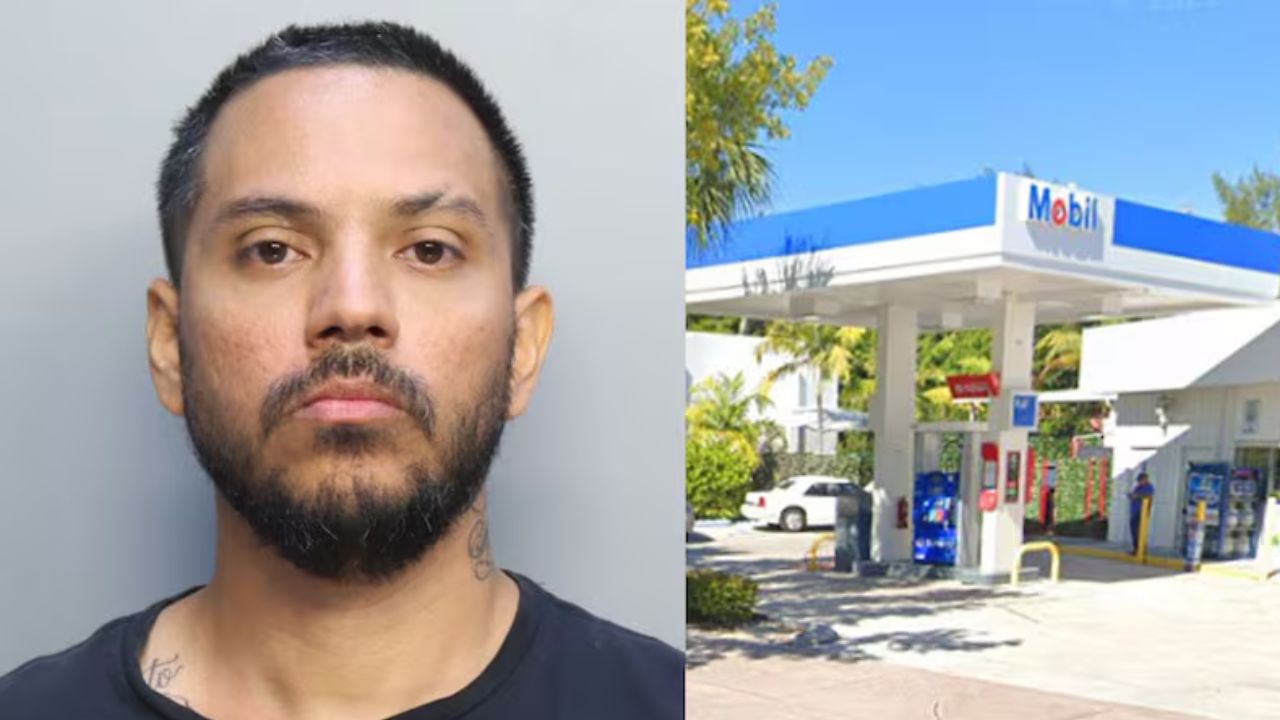
Miami, Florida — A Miami man is facing multiple felony charges after investigators linked him to an alleged fraud scheme that convinced a woman to hand over $20,000 in cash following a fake computer security alert.
According to police records, 34-year-old Wilmer Vasquez was arrested in downtown Miami more than four months after the victim reported the incident in Key Biscayne. Authorities said the case began when the woman encountered what appeared to be an urgent security warning on her computer.
Investigators believe the notification was part of a sophisticated scam designed to frighten victims into surrendering money.
Fake Apple Support Alert Triggered the Scheme
Police said the victim reported that an unauthorized pop-up message suddenly appeared on her computer screen.
The message allegedly appeared to be an official Apple support notification and warned that her identity and personal information had been compromised.
Concerned about the warning, the woman called the phone number displayed in the alert. According to investigators, she was then transferred to someone claiming to be a bank security representative.
Authorities say the caller used a series of false statements to convince the victim that immediate action was necessary to protect her finances.
As a result, the woman was persuaded to withdraw $20,000 in cash from her bank account.
Cash Delivered Through Uber Courier
Investigators said the victim was instructed to place the money inside a box and arrange for it to be delivered.
According to police, the package was sent through an Uber courier service to a Mobil gas station located on Crandon Boulevard in Key Biscayne.
During the investigation, detectives reviewed surveillance footage from the area.
Police say the video captured Vasquez allegedly receiving the package containing the victim’s money before leaving the location.
The evidence became a key part of the investigation that eventually led to his arrest.
Arrest Made After Vehicle Alert
Authorities said officers arrested Vasquez on Wednesday night in downtown Miami after receiving a National Crime Information Center database alert connected to a vehicle involved in the case.
According to the arrest report, officers located Vasquez sitting inside the vehicle linked to the fraud investigation.
He was later booked into the Turner Guilford Correctional Center in Miami-Dade County.
Police identified him as a Miami-Dade resident originally from Venezuela.
Multiple Felony Charges Filed
Investigators charged Vasquez with several offenses, including:
- Organized fraud involving $20,000 or more
- Offenses against users of computers
- Unlawful use of a communications device
- Second-degree grand theft involving less than $100,000
Records also indicated that Vasquez was being held under a U.S. Immigration and Customs Enforcement (ICE) detainer following his arrest.
Wild Video Shows NYC Five Guys Employee Pummeled With Chairs as Mob Storms Restaurant
The case remains under review as it moves through the court system.
FBI Warns About Growing Pop-Up Scams
The incident highlights a type of fraud that federal authorities say is becoming increasingly common.
According to the FBI, computer pop-up scams typically begin with a fake security warning claiming a device has been infected with malware or compromised by hackers.
The messages often display phone numbers that connect victims directly to scammers posing as technical support agents, bank representatives, or security specialists.
Officials advise consumers to never call numbers displayed in suspicious pop-up messages and never provide remote access to their computers.
Experts also warn that scammers frequently request payments through unusual methods such as wire transfers, cryptocurrency, gift cards, or cash deliveries.
Anyone who encounters a suspicious pop-up should close their browser immediately and contact a trusted company directly through its official website or customer service channels.
Have you ever encountered a suspicious pop-up warning or tech support scam? What steps do you think should be taken to better protect consumers from online fraud? Share your thoughts respectfully in the comments below.