
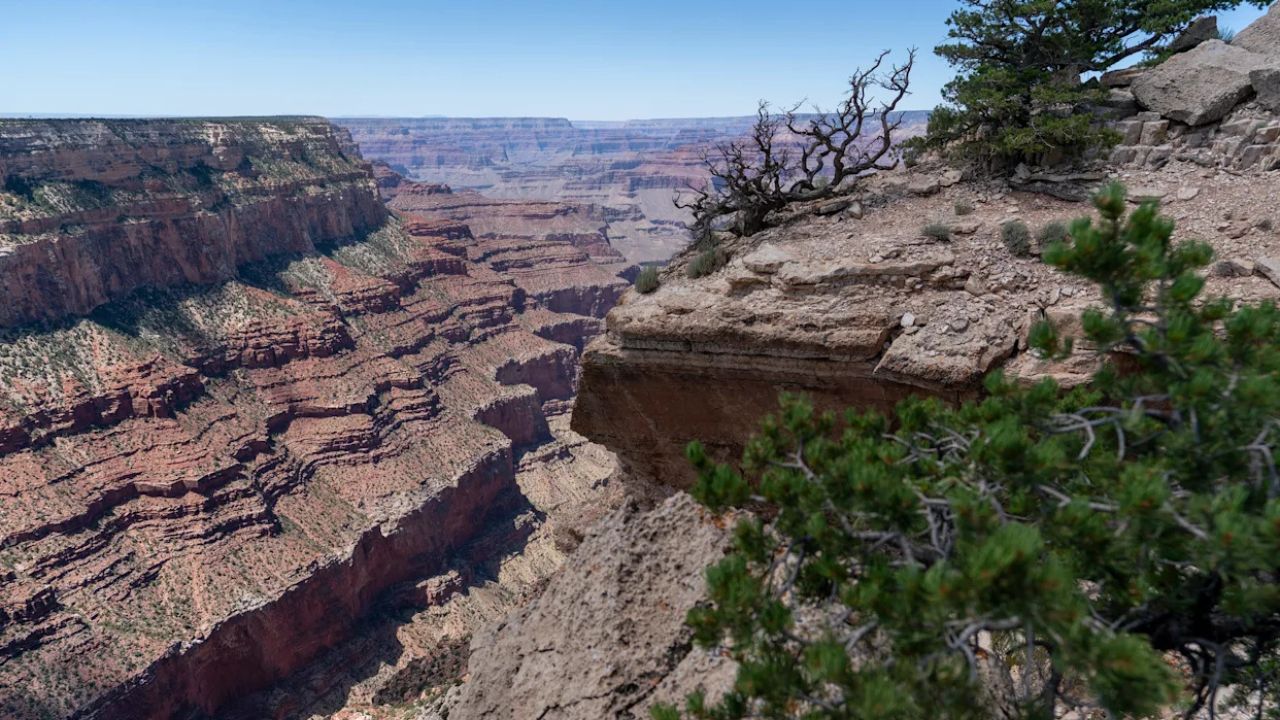
Grand Canyon, Arizona — A teenager has died after suffering symptoms of a heat-related illness while hiking deep within the Grand Canyon, prompting a major rescue operation and renewed warnings about the dangers of extreme temperatures in the national park.
Officials say the tragedy occurred along the popular Bright Angel Trail, one of the most heavily traveled hiking routes in the Grand Canyon.
Emergency Call Triggers Rescue Response
According to the National Park Service, rangers received reports at approximately 1:40 p.m. local time on Wednesday regarding an 18-year-old male experiencing heat-related symptoms while hiking in the canyon.
The teen had reportedly traveled beyond Havasupai Gardens, a well-known rest area and campground located thousands of feet below the canyon rim.
Authorities immediately launched a rescue operation that included helicopter support in an effort to reach the hiker as quickly as possible.
The emergency unfolded during a period when temperatures inside the canyon can become significantly hotter than conditions along the rim.
Rangers Locate Teen in Remote Area
Rescue crews eventually located the teenager in a remote section of the canyon. According to officials, he was discovered approximately 30 feet below the trail after apparently leaving the main hiking path.
Park rangers and rescue personnel attempted lifesaving measures once they reached him.
Despite those efforts, the teenager could not be saved. Authorities have not publicly released the victim’s identity. Officials said notifications to the teen’s next of kin were still pending at the time details were released.
Teen Was Attempting Demanding Day Hike
The National Park Service said the teenager intended to complete a round-trip day hike from the South Rim to the Colorado River and back.
That journey follows the Bright Angel Trail and is considered one of the most challenging hikes within the park.
While the trail is extremely popular with visitors, park officials regularly warn hikers about the physical demands and extreme temperature changes encountered along the route.
According to the National Park Service website:
“Destinations below Havasupai Gardens are not recommended day hikes due to the long distance, extreme temperature changes, and an approximately 5,000′ (1,500 m) elevation change each way.”
The agency also advises visitors to carefully consult with park staff before attempting long-distance hikes into the canyon.
Investigation Into Death Ongoing
Authorities confirmed that the Coconino County Medical Examiner’s Office is investigating the teen’s death.
Hiker Survives Terrifying Grizzly Bear Attack After Being Dragged Across Glacier National Park Trail
Officials have not yet announced a final cause of death, though the incident is being treated as involving symptoms consistent with a heat-related illness.
The tragedy has once again highlighted the dangers hikers face in extreme outdoor environments, particularly during warmer months.
Understanding Heat-Related Illnesses
Health experts warn that heat-related illnesses can become life-threatening very quickly.
According to the Centers for Disease Control and Prevention (CDC), the most severe form of heat-related illness is heat stroke, a medical emergency that can lead to permanent disability or death if not treated immediately.
The CDC warns that body temperatures during heat stroke can rise rapidly, sometimes reaching 106 degrees Fahrenheit or higher within minutes.
Symptoms may include confusion, slurred speech, loss of consciousness, excessive sweating and seizures.
Park officials continue urging visitors to prepare carefully, stay hydrated and avoid pushing beyond recommended hiking limits in extreme conditions.
What are your thoughts on this tragic incident? Share your condolences and thoughts respectfully in the comments below.